
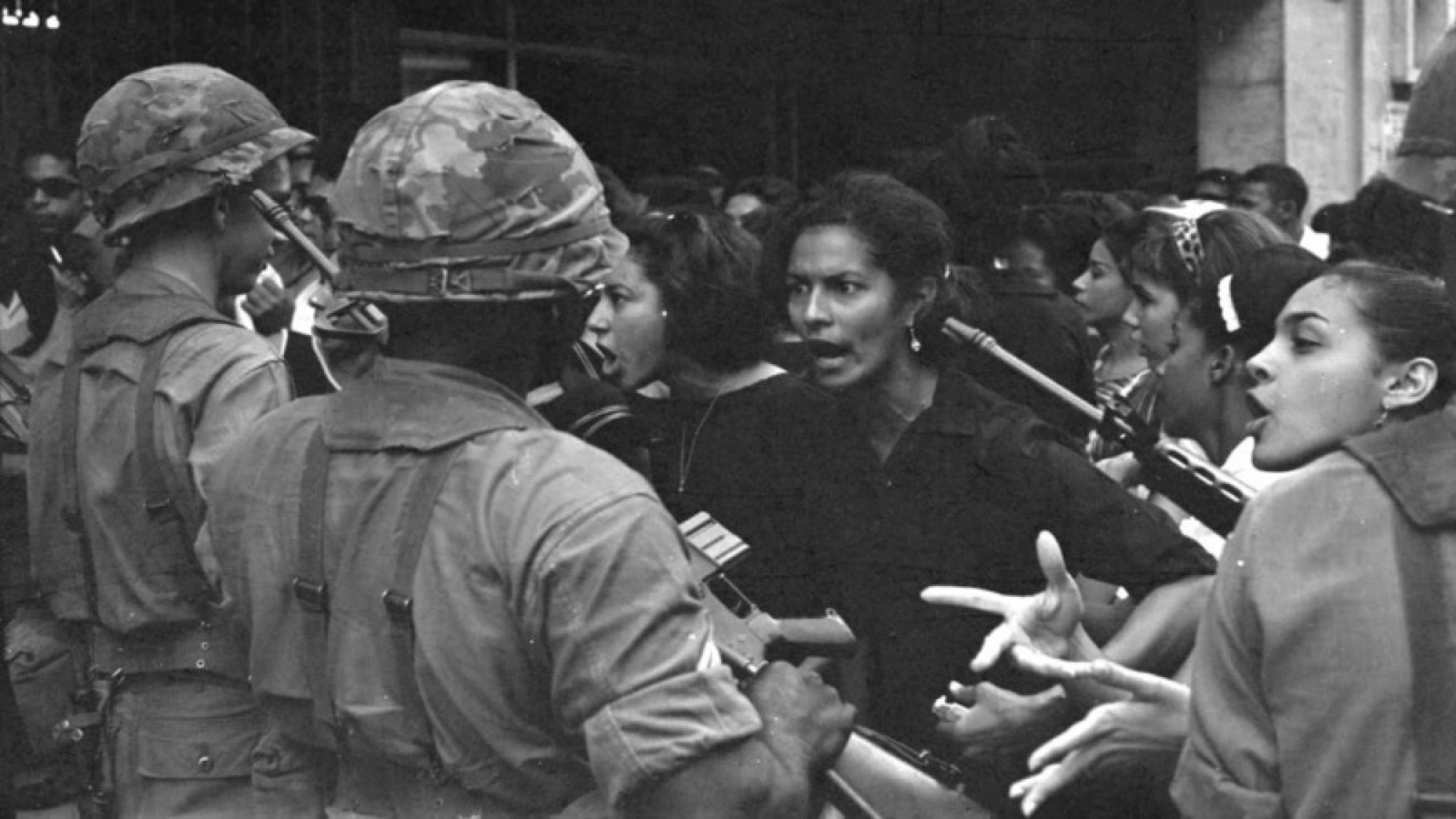
Why, how, and where did Latinxs build a freedom movement in the sixties?
How did it intersect with the civil rights, black power, and other movements of the era? What conditions and historical contexts propelled the movement? How did it expand the meaning of democracy for all? Who are Latinos? What are their origins in the US?
Join us in New York at CUNY’s Graduate Center for a two-day conference that will bring together veterans of the Latinx Freedom Movement of the 1960s, graduate students, faculty, archivists, and the public.
Thursday,
April 9
General Assembly: Voices of the Movement
Keynote Address:
Martha P. Cotera, Chicana feminist and La Raza Unida Party; and Juan González, journalist and New York Young Lords
Breakout Sessions
From Aztlán to Borikén: The Imperial Origins of Latinos in the U.S.
From Mendez to Walkouts and Community Control
Labor and the Humanization of Farm Workers
-
Thursday, April 9, 2026
9:00 AM – 10:00 AM
Opening Session
Johanna Fernández and Felipe Hinojosa
Performance
Kaila Bulé, Afro-Caribbean singer, songwriter, poet, and drummer
10:00 AM – 11:30 AM
General Assembly
Voices of the Movement
Facilitator: Stephen Pitti, Latinx and public history scholar
Panelists: Mita Cuaron, Gilbert Colón, Yolanda Garza Birdwell, Omar Lopez, Carlos Montes, and Estela Vazquez
11:30 AM – 12:45 PM
Special Luncheon Sessions (Concurrent)
Luncheon sessions are reserved for attendees with black lanyards. All other attendees are invited to enjoy lunch on their own.
Confronting Gender Violence in the Movement (a dedicated space for women of the Movement)
Men of the Movement Luncheon
Lunch Break
(attendees on their own)
1:00 PM – 2:30 PM
Poetry Reading: Puerto Rican Obituary
Keynote Address
Martha P. Cotera, Chicana feminist and La Raza Unida Party
Juan González, journalist and co-founder of the New York Young Lords Party
2:30 PM – 2:45 PM
Afternoon Break
2:45 PM – 4:15 PM
Breakout Sessions
From Aztlán to Borikén: The Imperial Origins of Latinos in the U.S.
Latinx communities in the United States are rooted in histories of conquest, colonization, and U.S. intervention. This session traces those origins – from the U.S.-Mexico War to the colonization of Puerto Rico in the war of 1898 and beyond – and examines how imperial power shaped migration, labor, and ongoing struggles over sovereignty, belonging, and justice.
Facilitators: Omar Valerio-Jiménez, professor of history, UT San Antonio; and Sandy Plácido, assistant professor of history, Rutgers University–Newark
Panelists: David Perez and Digna Sánchez
From Mendez to Walkouts and Community Control
Educational justice has been a major battleground in Latinx civil rights organizing. This session moves from early desegregation cases like Mendez v. Westminster to the student-led movements of the 1960s and 70s, including the Chicano Blowouts and demands for bilingual, culturally grounded education. Panelists will consider how these struggles continue to inform debates around ethnic studies, equity, and community control of schools.
Facilitators: David-James “DJ” Gonzalez, assistant professor of history, Brigham Young University; and Sonia Lee, associate professor of American studies and Latinx studies, Indiana University
Panelists: Rachael Ochoa-Cervera, Celeste Baca, Cassandra Zacarías Alarcón; Juan Andrade, Rosalio Muñoz, and Mickey Melendez
Labor and the Humanization of Farm Workers
Labor organizing has long been a cornerstone of Latinx civil rights. Focusing on farm worker movements in the mid- to late-twentieth century, this session examines how workers fought not only for fair wages, but for dignity, safety, health care, and recognition of their full humanity. Panelists will reflect on the enduring legacy of these struggles in today’s labor and immigrant justice movements.
Facilitator: Oliver Rosales, professor of history and ethnic studies, Bakersfield College
Panelists: Eliseo Medina, Luz Bazan Gutierrez, and Alvaro Huerta
4:15 PM – 5:30 PM
Closing Remarks & Reception
Friday,
April 10

Breakout Sessions
The Chicano Movement in the Southwest
The Movement in New York
Coalition Building in Chicago
The Health Campaigns of the Young Lords
The Chicano Youth Conference, Denver 1969
From Salsa to Spoken Word: The Art, Poetry, and Soundtrack of the Movement
General Assembly:
Town Hall
The Shadow of ICE – What It Means for Latinos and for America
Maria Hinojosa, journalist, author, and founder of Futuro Media
Juan González, journalist and New York Young Lords
William I. Robinson, sociologist, global studies scholar, and professor, University of California, Santa Barbara
-
Friday, April 10, 2026
9:00 AM – 9:30 AM
Opening Session
Johanna Fernández and Felipe Hinojosa
Musical Performance
Atl-Tlachinolli, Conchero dance troupe
9:45 AM – 11:15 AM
Morning Breakout Sessions
The Chicano Movement in the Southwest
Explores how the Chicano Movement transformed communities across the Southwest and Midwest through organizing around land, education, labor, political power, and cultural identity. This session highlights how grassroots activism, student movements, and electoral strategies worked together – and what their legacy means for today’s struggles over immigration, policing, and ethnic studies.
Facilitator: Rosie Bermudez, Chicana historian and assistant professor of history, UC San Diego
Panelists: Vickie Castro, Paula Crisostomo, Lorenzo Cana, David Montejano
The Movement in New York
How did Puerto Rican and Latino activists in New York City turn urban struggle into a movement for self-determination? This session highlights how migration, segregation, and urban renewal shaped organizing around housing, health care, policing, and education. Through groups like MPI-Puerto Rican Socialist Party, the Young Lords and El Comité, panelists connect local activism to broader questions of colonialism, race, and citizenship – offering insight into struggles that continue to shape these debates today.
Facilitator: Andrés Torres, scholar of Puerto Rican diaspora and Latino studies, CUNY
Panelists: Esperanza Martell, Jose E. Velazquez, Denise Oliver-Velez, Estela Vazquez, and Digna Sánchez
Coalition Building in Chicago
In Chicago, Latinx civil rights activism took shape through bold coalition-building across communities. Mexican and Puerto Rican organizers forged alliances with the Black Panthers, Young Patriots, and others through the original Rainbow Coalition, confronting housing inequities, police violence, education reform, and labor struggles. This session examines both the power and tensions of these cross-racial and cross-ethnic partnerships – and what they reveal about organizing for justice today.
Facilitator: Lilia Fernández, professor of history, University of Illinois Chicago
Panelists: Omar López, Tony Báez, Luis Arévalo, Linda Coronado, and Angel “Sal” Del Rivero
11:30 AM – 1:00 PM
Lunch Break
(attendees on their own)
Special Luncheon Session: Confronting Gender Violence in the Movement
(open only to women of the Movement)
1:00 PM – 2:30 PM
Afternoon Breakout Sessions
The Health Campaigns of the Young Lords
Long before “health equity” became a national conversation, the Young Lords were organizing for it. This session examines how their campaigns – spanning hospital takeovers to grassroots health initiatives – exposed structural inequalities and reframed health care as a political issue. Their work offers critical insight into the enduring links between race, poverty, and public health.
Facilitator: J. Emilio Carrillo, physician and national leader in cultural competency and health equity
Panelists: Mickey Melendez, Minerva Solla, and Walter Bosque
The Chicano Youth Conference, Denver 1969
The 1969 National Chicano Youth Liberation Conference in Denver marked a turning point in the rise of Chicano and Latinx political power. Bringing together activists, students, and community leaders from across the country, it helped forge a shared vision for organizing, identity, and collective action. Explore how Denver 1969 – set against the backdrop of global liberation movements – sparked new organizations, strengthened coalitions, and continues to shape the trajectory of Latinx activism today.
Facilitator: Jimmy Patiño, associate professor in Chicano and Latino studies. University of Minnesota
Panelists: Arturo “Bones” Rodriguez, Ernesto Vigil, Omar Lopez, and Carlos Montes
From Salsa to Spoken Word: The Art, Poetry, and Soundtrack of the Movement
From murals on city walls to poetry on the stage, cultural expression was at the heart of the Latinx civil rights movements. Music, teatro, and visual art helped shape political identity, mobilize communities, and sustain momentum in the 1960s and 70s. Discover how art became a powerful force for change – and how its legacy continues to influence Latinx cultural and political life today.
Facilitator: Ed Morales, author, journalist, and professor, Columbia University and CUNY
Panelists: Felipe Luciano, Denise Oliver-Velez, Nicolás Kanellos, and Marta Moreno Vega
2:30 PM - 2:45 PM
Afternoon Break
2:45 PM – 4:15 PM
General Assembly
How Do We Remember the Movement?
Facilitators: Maria Cotera, professor of Mexican American and Latina/o studies, University of Texas; Lilia Fernández, professor of history, University of Illinois Chicago; and Denise Oliver-Velez, co-founder of the New York Young Lords Party, a writer for Daily Kos, and former adjunct professor of anthropology and women’s studies, SUNY New Paltz.
4:15 PM – 5:30 PM
Closing Remarks & Reception
6:00 PM – 8:30 PM
Town Hall
The Shadow of ICE: – What It Means for Latinos – — and for America
Maria Hinojosa, Pulitzer Prize-winning journalist, author, and founder of Futuro Media
Juan González, journalist and co-founder of the New York Young Lords Party
William I. Robinson, sociologist, global studies scholar, and professor, University of California, Santa Barbara
Photography and video recording will occur throughout the conference. By attending, participants consent to being photographed and recorded, and to the use of these materials for promotional, archival, and educational purposes.

Connect with us:
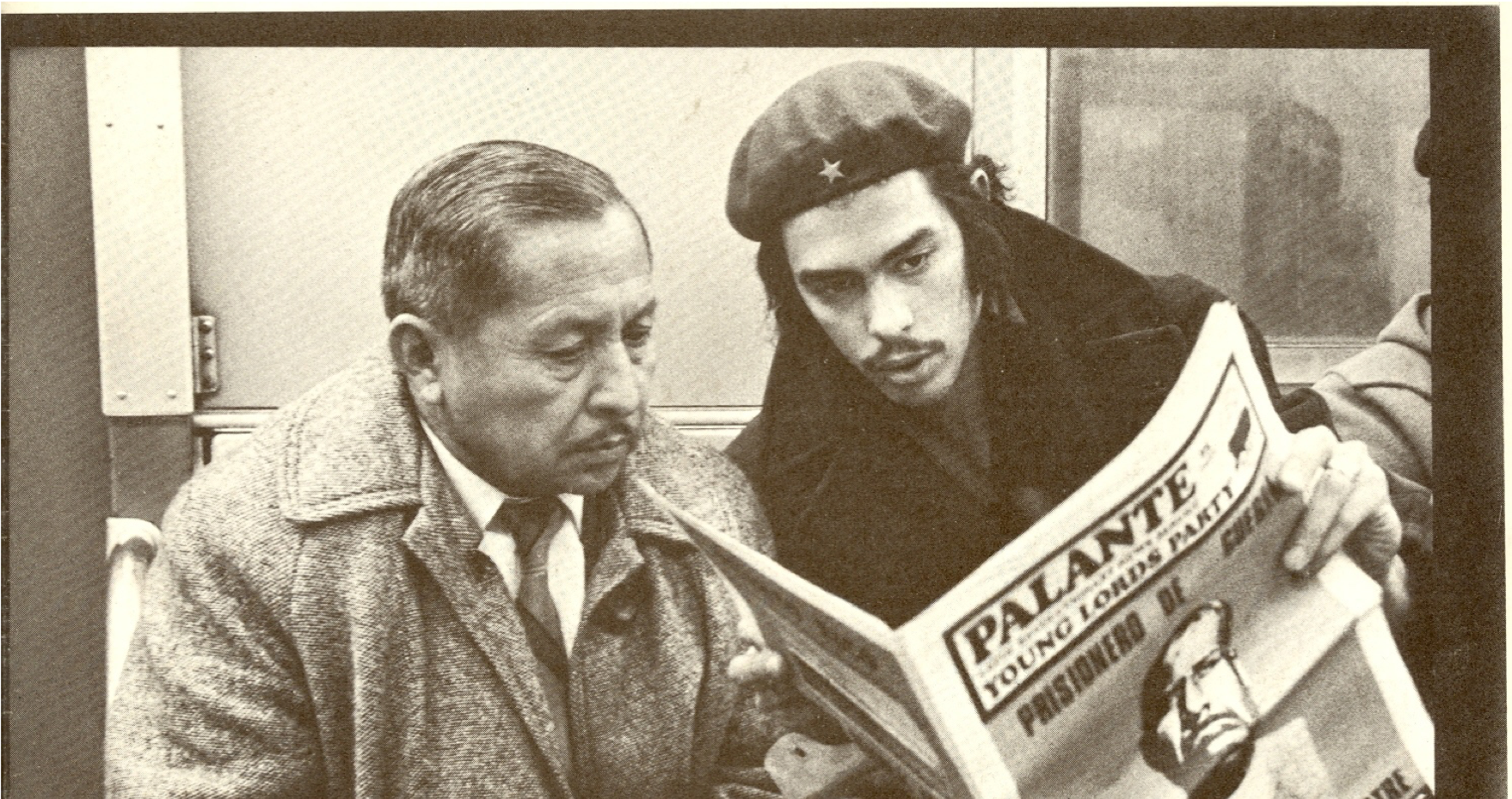
Photo credit: Juan González shows a copy of Palante to a rider on the New York subway, February 1971, Photograph by Michael Abramson; courtesy of Haymarket Books.